









Person
When results arrive from different clinics and my watch tells me something I can’t read, I want it all in one place, explained in plain words, so I know what matters — and what to do next.
Open to senior product roles
Selected work / 03
One calm place for the whole of a person’s health — every record, every signal, everyone they care for — and the people who help it make sense.
02The problem
Each piece is true. Together they rarely become a picture.
Blood test — LDL 3.4 mmol/LClinic portal
MMR, second dose — due?Paper card
Check-up covered until JuneInsurer letter
GP visit, Lisbon — report.pdfEmail
Sleep score 61 — againRing
Resting heart rate ↑ 6 bpmWatch
Yoga, Thursday 18:30?Messages
Five natural homes — the structure of Eir
Illustrative fragments — not participant data.
We listened before we built.

How they keep track today — for a child, a partner, an ageing parent — and where it quietly breaks.

What people bring to an appointment, what gets lost between visits, and where a tool helps rather than intrudes.

Where a product like this fits into existing care, and what it would take to be trusted.
What we heard
The load is coordination, not data. The hard part was rarely finding a piece of information. It was remembering, following through and keeping others in the loop.
People want accountability. Support meant something closer to a good companion than a filing system: someone who notices, nudges and helps you keep your promises.
Trust stays with people. Health decisions belong with people and qualified professionals. AI output has to be framed as help — never as a verdict.
Illustrative notes — paraphrased patterns, not participant quotes.
The question we started withHow can AI store and manage someone’s health information?
The question we keptHow can technology make health understandable — and people help the change last?
We mapped sixteen products people use to look after their health — and the tools professionals use to run their practice. Each holds one piece. None brings together your records, your everyday signals and a person who can help you act on them.
No health data
Continuous wearable data
Self-guided or AI
A person at the centre
WelltoryHRV & stress app
Google HealthData hub + AI coach
OuraSmart ring + membership
WHOOPStrap + membership
Apple HealthData hub + Fitness+
NoomCoaching programme
Practice BetterPractice software
HealthiePractice software
TrainerizeSoftware for coaches
ZnanyLekarzDoctor booking (PL)
BooksyBooking marketplace (PL)
MindbodyStudio software + app
ClassPassClass credits
Eira person, their data and their coach
● people can find a professional in the app · ○ the professional brings their own clients. Positions are our reading of each product’s public features, October 2026 — not a measurement.
Who does what
| Product | Wearable data | Find a professional | Book & pay | Group sessions | Chat | Pro sees client data | Tools for the pro | AI insights |
|---|---|---|---|---|---|---|---|---|
| Google HealthData hub + AI coach | Yes | No | No | No | No | Unverified | No | Yes |
| OuraSmart ring + membership | Partly | No | No | No | No | Partly | Partly | Yes |
| WHOOPStrap + membership | Partly | No | No | No | No | Partly | Partly | Yes |
| Apple HealthData hub + Fitness+ | Yes | No | No | Partly | No | Partly | No | Partly |
| NoomCoaching programme | Unverified | No | Partly | Partly | Yes | Unverified | No | Yes |
| Practice BetterPractice software | Partly | No | Yes | Yes | Yes | Yes | Yes | Yes |
| HealthiePractice software | Partly | No | Yes | Yes | Yes | Yes | Yes | Yes |
| TrainerizeSoftware for coaches | Partly | Partly | Yes | Yes | Yes | Yes | Yes | Partly |
| ZnanyLekarzDoctor booking (PL) | No | Yes | Yes | No | Partly | No | Yes | Partly |
| BooksyBooking marketplace (PL) | No | Yes | Yes | Unverified | Partly | No | Yes | Unverified |
| MindbodyStudio software + app | No | Yes | Yes | Yes | Unverified | No | Yes | Partly |
| ClassPassClass credits | No | Partly | Yes | Yes | Unverified | No | Partly | Unverified |
| Eirthe plan | Yes | Yes | Yes | Yes | Yes | Yes | Yes | Partly |
Full dot — yes · half — partly · empty — no · ? — not verifiable — from each product’s official site, October 2026. † read via the company’s own help pages.
So the product has to work for someone without a tracker. Data makes the relationship better; it can’t be the ticket in.
Jobs to be done
Person
When results arrive from different clinics and my watch tells me something I can’t read, I want it all in one place, explained in plain words, so I know what matters — and what to do next.
Family
When I look after my children and my parents as well as myself, I want their check-ups and records to find me on time, so nothing important depends on my memory.
Partner
When someone books a session with me, I want the context they choose to share, so we start from where they are, not from a questionnaire.
Proto-personas

The one who holds it all
“I have everyone’s results somewhere. Never when I need them.”
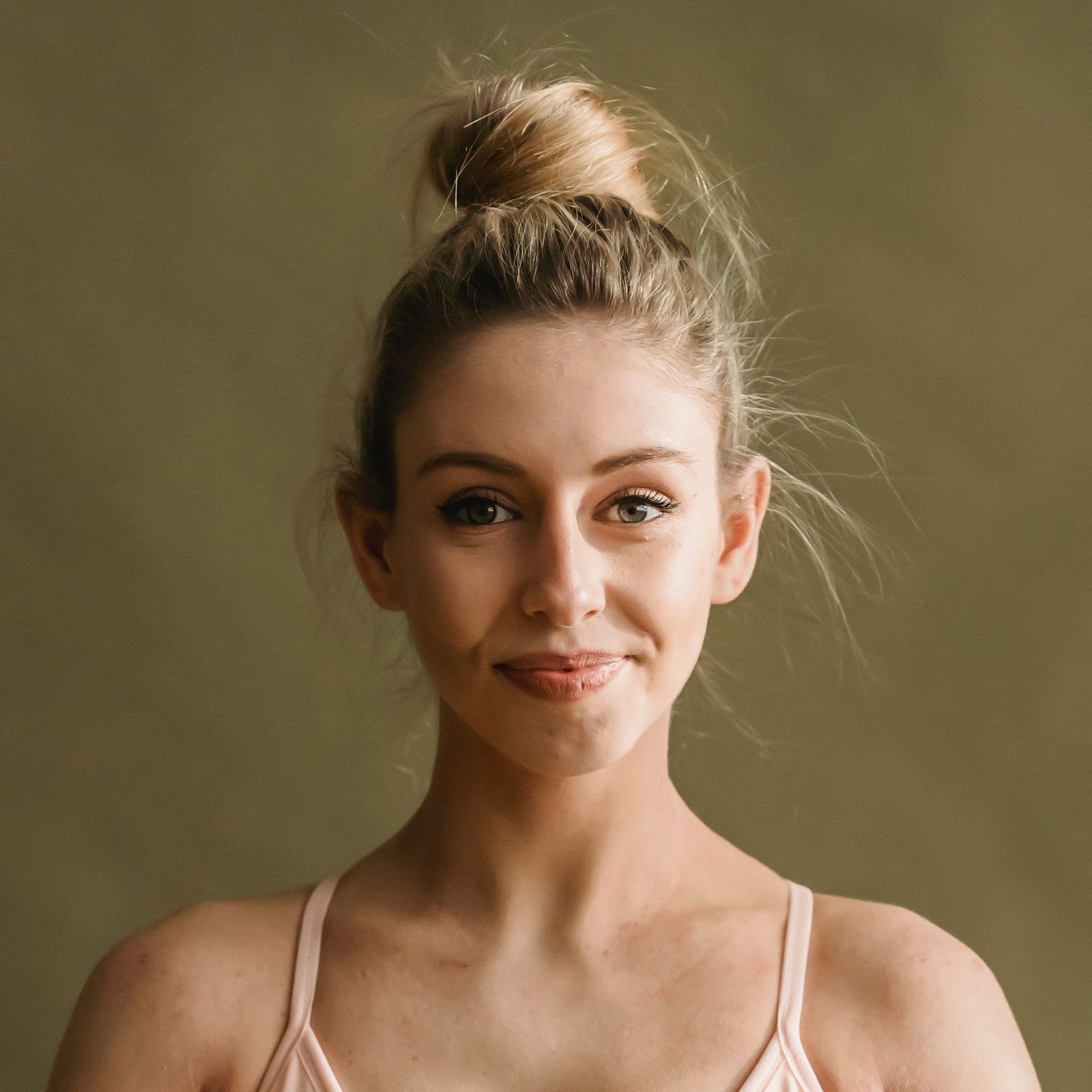
The independent yoga tutor
“The first session is always an interview.”
Proto-personas: working hypotheses drawn from the research themes, not composites of real participants.
First release — MoSCoW
Must
Should
Could
Not now
Opportunity solution tree
Desired outcome
01 Opportunity · One health record
02 Opportunity · Everyday signals
03 Opportunity · Insights & reminders
04 Opportunity · Family circle
05 Opportunity · People who help
Five branches
Five beliefs we could be wrong about.
H1InsightsTo test
If results from any clinic are explained in plain language, people will act on them sooner.
H2FamilyTo test
If check-ups and vaccinations for the whole family arrive as reminders, the person who organises care will carry less.
H3SignalsTo test
If clients choose what everyday data a partner sees, first sessions will be more useful — without feeling watched.
H4PeopleTo test
If a verified person appears next to an insight, intention will more often turn into a booked session.
H5AccessTo test
If Eir is valuable without a wearable, it can reach the three in four people who don’t own one.
Hypotheses and planned tests — not results.
01 First meeting
Three short lines say what Eir is for. Everything else can wait until it’s needed.
02 Every day
Records, everyday signals and the people you care for meet on one screen — with the one thing worth doing today.
03 Records
Add a result from any clinic, in any country. Eir reads it, explains what changed and what to ask next — never a diagnosis.
04 Family
Children, partner, parents: each with their own space, their own reminders, and only the access they agree to.
05 People
Coaches and practitioners with verified credentials and real reviews — found, booked and messaged in one place.
06 Booking
Details, the cancellation rule in plain words, and Apple Pay. The partner sees only what you choose to share.
Appointments
01Book
A doctor, a day, a time — and the rule in plain words.
02Share
Only what this visit needs, and only for the visit.
03In one place
Doctors and coaches, online or in person.
04Plans change
Cancel calmly; the refund comes first.
01 · BookA doctor, a day, a time — and the rule in plain words.
02 · ShareOnly what this visit needs, and only for the visit.
03 · In one placeDoctors and coaches, online or in person.
04 · Plans changeCancel calmly; the refund comes first.

Product screens: Eir for partners
Partner side
The other side of the same relationship: today’s sessions with the context each client chose to share, the conversation, and a calm view of how the practice is growing.
09Timeline
An AI-first concept: organise everyone’s health information.
Conversations with people, professionals and potential partners.
Health as a whole: records, everyday signals, family — technology to explain, people to support.
Market map, jobs, opportunity tree, five product areas, first-release scope.
The client app and the partner workspace, from first flows to a design system.
Pre-launch: preparing the first release and the tests that come with it.
Sep 2025 — now
Eir is pre-launch, so there are no results to show yet. This is what we plan to measure — and what we still need to learn.
North-star metric (planned)
A check-up booked, a result understood, a session attended. It grows only when Eir turns information into action.
GuardrailsData-sharing opt-outsMisread documents reportedLate cancellations
Still to learn